Is It Safe to Eat Before Skydiving? 4 Proven Tips
Skydiving. Should I eat something? Or should I skip breakfast entirely?
Pre-skydiving nutrition can cause anxiety for Indian first-timers at Skyhigh India‘s Narnaul due to conflicting advice they receive.
Eat something, or you will feel weak. Do not eat, or you will feel sick. Eat light. Eat early. Skip the meal entirely. Eat protein. Avoid carbs. Conflicting advice comes from friends, vague articles, and the pre-jump overthinking at 6:15 AM in the kitchen.
Furthermore, the answer to the title question Is it safe to eat before skydiving, is yes. With specific conditions. Which the seven proven tips below address this completely.
1. Eat a Light Familiar Meal Two to Three Hours Before Arriving at Narnaul
The key tip for pre-skydiving nutrition at Skyhigh India‘s Narnaul drop zone is timing and volume.
Eat. But eat light. And eat early enough.
Two to three hours before arriving at the Narnaul drop zone. The jump occurs two to three hours after arrival, registration, and ground training. Two to three hours before arriving at Narnaul.
Why two to three hours:
A light meal digests within two to three hours, avoiding heaviness at jump altitude. It is short enough that blood sugar remains stable, and energy is available throughout the Narnaul skydiving day. The meal is digested enough during freefall, when adrenaline diverts blood flow from digestion.
Why light:
Light means moderate volume. Not a full thali. Not a large breakfast spread. A portion that satisfies hunger and provides energy without uncomfortable fullness at high altitudes.
Specific meal suggestions for the Narnaul skydiving morning:
- Poha — light, familiar, easily digestible, moderate energy
- Upma — warm, satisfying, easy on the digestive system
- Two rotis with light sabzi — familiar, moderate volume, stable energy release
2. Hydrate Strategically Throughout the Narnaul Jump Day
The second tip highlights the overlooked aspect of pre-skydiving nutrition for Indian first-timers.
Hydration.
The hydration question for skydiving at Skyhigh India‘s Narnaul drop zone is more nuanced than the standard “drink plenty of water” advice captures.
The dehydration risks at Narnaul:
Three specific dehydration mechanisms operate across the Narnaul skydiving day.
First, the NH48 drive. Two and a half to three hours in a car with the pre-jump focus consuming most of the first-timer’s awareness is two and a half to three hours of minimal fluid intake for most first-timers.
Second, the altitude. At 10,000 feet above the Narnaul plains, the atmosphere is drier than at ground level.
Third, the adrenaline. The pre-jump adrenaline response, which builds during the aircraft ascent and peaks at the door, increases the body’s fluid loss through perspiration and respiration even in cold conditions.
3. Avoid These Specific Foods in the Six Hours Before Your Narnaul Skydiving Jump
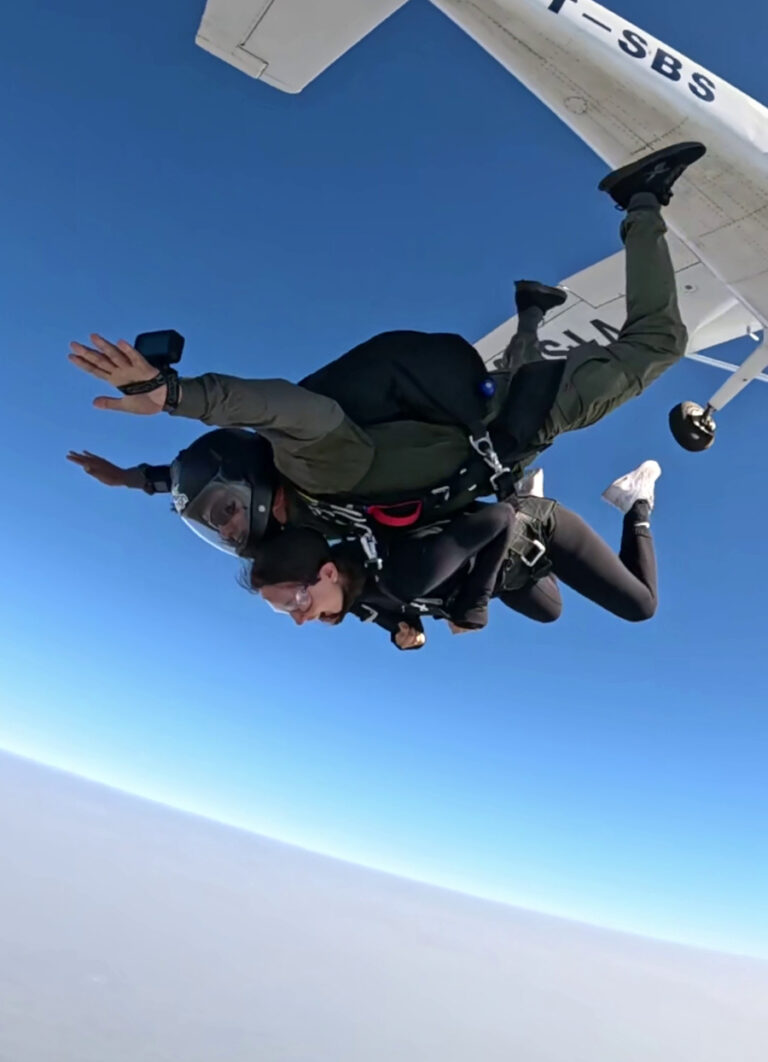
Spicy food:
A spicy meal that produced no digestive symptoms on the ground may produce heartburn, gastric discomfort, or nausea at altitude. Avoid spicy food for at least six hours before the Narnaul jump. This includes the temptation of a spicy paratha breakfast at an NH48 dhaba on the way to Narnaul.
Fried and high-fat food:
High-fat foods are slow to digest. A puri-bhaji breakfast or a heavy fried meal eaten two hours before arriving at Narnaul is still actively being digested during the freefall above the Haryana plains. Furthermore, high-fat food at altitude amplifies the nausea risk.
Carbonated drinks:
The gas expansion principle that makes spicy food uncomfortable at altitude makes carbonated drinks significantly more uncomfortable.
Alcohol:
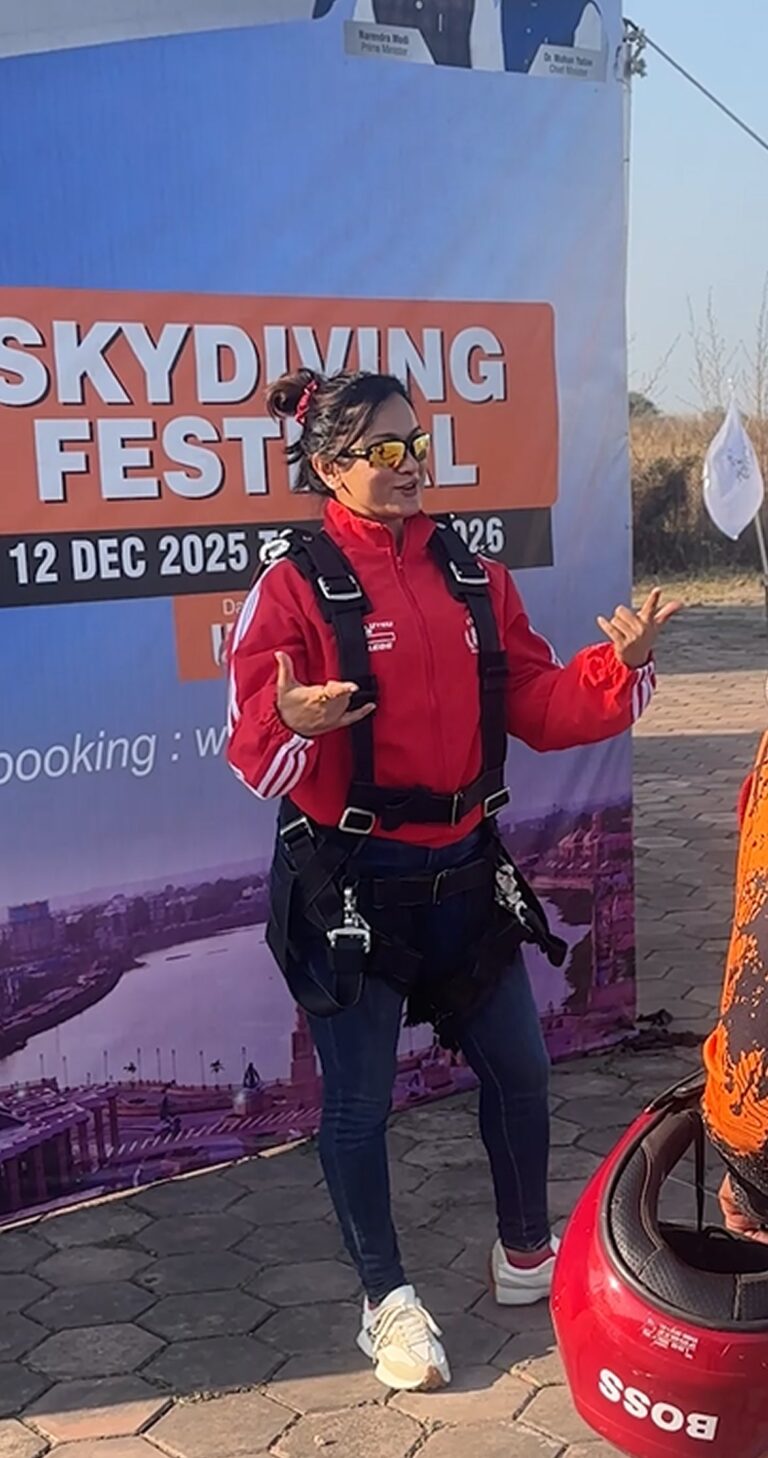
Non-negotiable. Zero alcohol for at least twenty-four hours before any skydiving jump at Skyhigh India‘s Narnaul drop zone. This is an operational requirement, not a recommendation.
Dairy in large quantities:
Large quantities of dairy can cause digestive discomfort at altitude for first-timers with unnoticed lactose sensitivity. Small amounts of dairy in familiar preparations, a moderate serving of curd, and a chai with milk are generally fine. Large dairy volumes in the two hours leading up to the Narnaul jump are best avoided.
Coffee and tea in excess:
One cup of chai or coffee in the morning before the Narnaul skydiving jump is fine for most first-timers. Two or more cups of caffeine-containing beverages in the pre-jump window is a different matter.
4. Manage Nausea Risk With These Specific Pre-Jump Strategies
The fourth proven tip addresses the concern that underlies most of the pre-skydiving nutrition anxiety among Indian first-timers.
The nausea question.
Will I feel sick? Is it possible to vomit during a skydiving jump at Skyhigh India‘s Narnaul drop zone? What can I do to minimise the risk?
Nausea during skydiving in Narnaul is uncommon, despite pre-jump anxiety. The vast majority of Skyhigh India first-timers at the Narnaul drop zone complete the freefall, the parachute deployment, and the canopy ride without any nausea symptoms.
The specific nausea risk reduction strategies for Narnaul:
Breathe deliberately. The deliberate exhale technique practised in Skyhigh India‘s Narnaul ground training and the controlled, conscious breathing rhythm that the first-timer develops during the freefall is also the most effective in-jump nausea management tool.
Consider ginger. Natural ginger tea, ginger biscuits, or crystallised ginger eaten in the hour before arriving at Narnaul has documented anti-nausea properties and is safe for use before the skydiving experience.
Avoid motion sickness medication without medical advice. Some Indian first-timers consider taking over-the-counter motion sickness medication before their Narnaul skydiving jump. This should not be done without discussing it with a physician beforehand.
FAQs
Is it safe to eat before skydiving at Skyhigh Narnaul?
Yes. Eating before skydiving at Skyhigh India’s Narnaul drop zone is safe and highly recommended. Eat a light, familiar meal two to three hours prior to your scheduled arrival. Be sure to avoid heavy, fried, greasy, spicy, or gas-producing foods in the six hours leading up to your jump.
What should I eat the morning of my skydiving jump at Skyhigh Narnaul?
Opt for a light, easily digestible breakfast eaten 2 to 3 hours before arrival at Narnaul. Excellent options include poha, upma, idli with mild sambar, two light rotis with sabzi, oatmeal, or eggs. Stick strictly to familiar foods and avoid trying any new dishes on the morning of your jump.
Can I drink alcohol the night before my skydiving jump at Skyhigh Narnaul?
No. Skyhigh India maintains a strict, zero-tolerance policy requiring a minimum of 24 alcohol-free hours prior to any jump. This is a mandatory operational safety requirement. Anyone exhibiting signs of alcohol consumption or hangover within 24 hours will not be cleared to fly.
Will I feel sick during my skydiving jump at Skyhigh Narnaul?
Nausea is quite rare during freefall, as the rush of air creates a stable feeling of floating rather than a stomach-drop motion. Mild motion sensitivity occasionally occurs during the initial canopy phase due to gentle pendulum swings; letting your instructor know allows them to keep canopy turns gentle and smooth.
More of Us